4 Reasons to Have Your Septic Tank Pumped Regularly
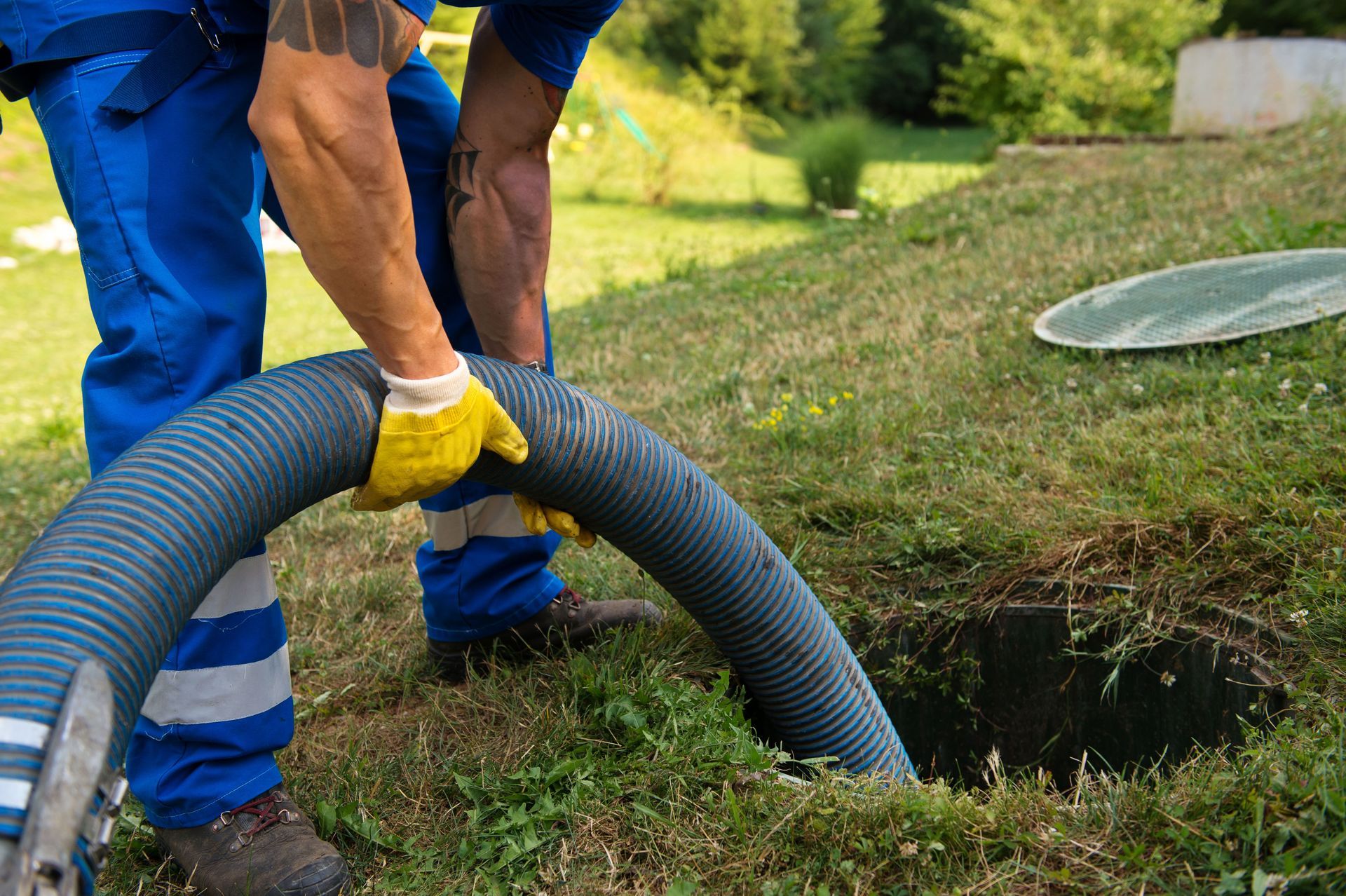
Septic tanks are a crucial component of wastewater management for many households. Regular maintenance with a septic service, particularly pumping, is essential to ensure their optimal performance. This article explores compelling reasons to have your septic tank pumped frequently, highlighting the benefits of regular maintenance for homeowners. A septic tank should be emptied every 12 to 18 months, according to GRAF, depending on usage, household size, and tank capacity. This frequency ensures the system remains efficient and safe for your family and the environment.
1. Preventing System Failure
1.1 Understanding System Failure
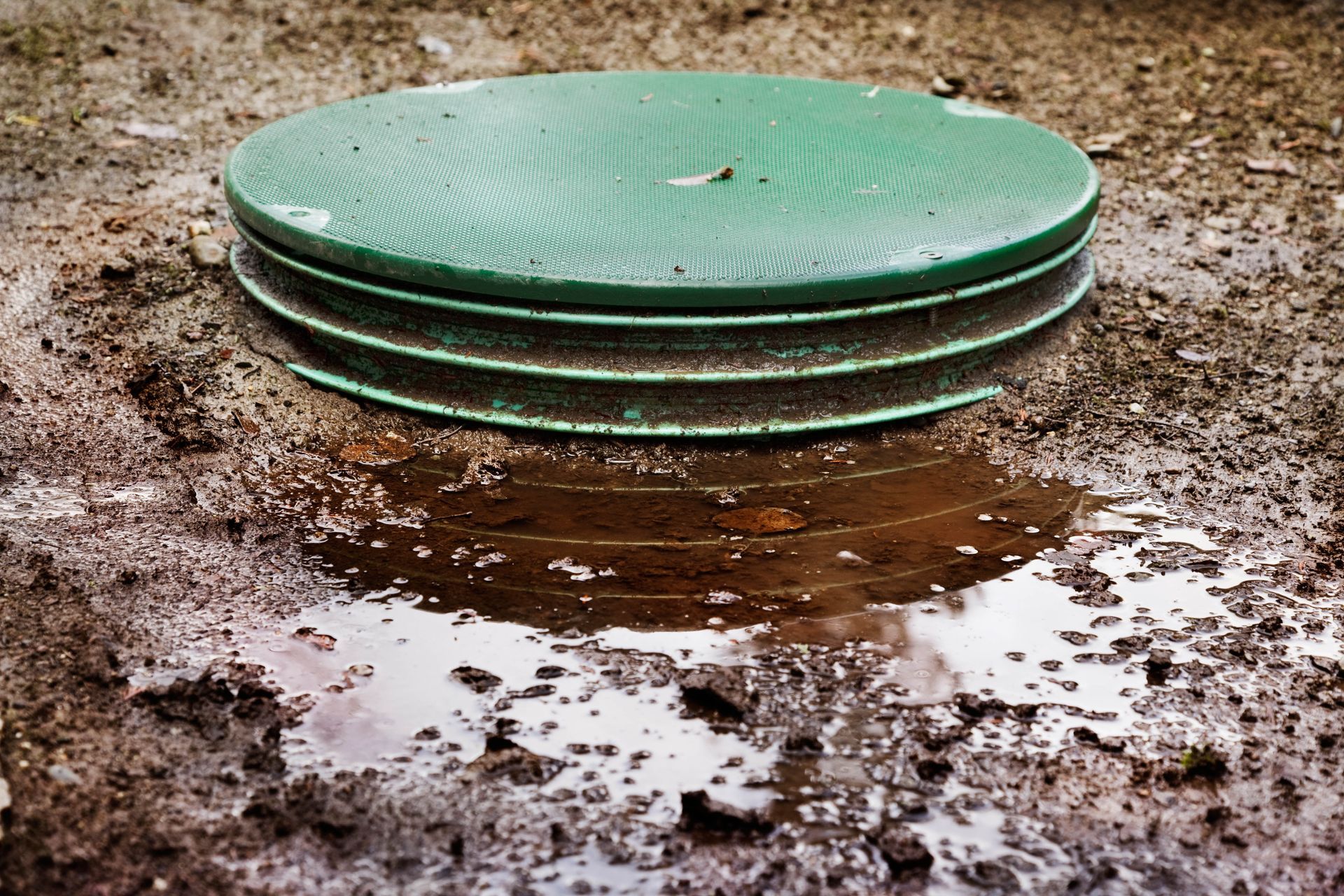
System failure is more than just a malfunction; it represents a significant disruption in your household's wastewater management. It can lead to unpleasant odors, slow drains, and even sewage backing up into the house. Septic system failures are often caused by clogs, collapsed pipes, or leach field saturation. Such failures are not only inconvenient but can also be expensive to rectify. Regular pumping with a septic service reduces the likelihood of these problems arising by ensuring the system functions as intended.
1.2 Common Causes of Failure
There are several common causes of septic tank failure, including lack of maintenance, overload, and misuse. Over time, solid waste can accumulate and clog the soil absorption field if not routinely removed. Excessive water usage can overwhelm the system, while non-biodegradable materials flushed into the septic tank can cause blockages. By addressing these issues through regular septic pumping, homeowners can significantly decrease the chance of experiencing system failures. Scheduled maintenance allows early detection of potential problems before they escalate, saving both time and money.
1.3 Costs Associated with Repairs
Repairing a failed septic system can be prohibitively expensive. Costs can vary widely depending on the severity and complexity of the issues, often running into thousands of dollars. In many cases, the expense is unexpected and burdensome for the household budget. Regular pumping acts as a preventative measure, significantly reducing the need for costly repairs. Financially, it is far more prudent to invest in the predictable and relatively minor costs of pumping rather than risk the unpredictable and potentially catastrophic costs of a major repair.
2. Extending the Life of Your Septic System
2.1 The Average Lifespan of a Septic Tank
The average lifespan of a septic system can vary, ranging from 15 to 40 years, in our experience, depending on various factors such as design, usage, and maintenance. Regular pumping plays a crucial role in extending this lifespan by preventing the buildup of solids and reducing the risk of leaks or clogs. Lack of maintenance accelerates wear and tear, shortening the lifespan of the tank and its components. A well-maintained septic system not only lasts longer but also performs more efficiently. Proactive pumping with a septic service ensures the system does not encounter stresses that reduce its operational life.
2.2 Impact of Regular Maintenance
Regular maintenance, particularly recurring pumping, significantly impacts the health and longevity of a septic tank. Homeowners who prioritize routine septic care are better equipped to avoid unexpected failures and costly repairs. By pumping the tank routinely, components experience less strain and can effectively handle household wastewater. Moreover, regular inspections allow for the timely identification of minor issues, facilitating prompt repairs. This proactive approach not only preserves the integrity of the septic system but also maximizes its efficiency and lifespan.
2.3 Comparing Lifespan with Infrequent Pumping
When comparing the lifespan of septic systems with regular pumping to those without, a stark difference emerges. Tanks that are pumped infrequently are prone to faster degradation, posing increased risks of premature failure. Such systems tend to accumulate sludge, which impedes their functionality and longevity. In contrast, regularly pumped systems remain free of excess buildup, operating smoothly over a more extended period. This difference underscores the value of consistent maintenance in sustaining a septic system's lifespan.
3. Considering Property Value
3.1 The Role of Septic Systems in Property Value
The condition of a septic system directly influences a property's value. A well-maintained system with a septic service can boost a home's appeal, while a neglected one can deter potential buyers due to concerns about reliability and forthcoming costs. Homebuyers typically view a functioning septic system as a significant asset, reflecting the overall maintenance level of the property. Conversely, a failing system can lead to reduced property evaluations. Protecting and enhancing property value through diligent septic care is a wise long-term investment.
3.2 Real Estate Implications of Poor Maintenance
Poor maintenance of a septic system can have considerable consequences in real estate transactions. Properties with malfunctioning systems may struggle to sell, or buyers might negotiate for repairs or lower prices due to perceived risks. Prospective buyers may fear the potential for substantial repair expenses, causing the prolongation of the sale process. Additionally, some regions require septic inspections before a property can be sold, and failing this inspection could stall or even cancel sales. Thus, regular pumping and maintenance can prevent these complications and maintain transaction smoothness.
3.3 Inspection and Certification Requirements
Many jurisdictions require septic system inspections as part of the property transaction process. These inspections ensure that the system meets local health and safety standards, protecting the buyer and the integrity of the property market. Failure to comply with inspection and certification requirements can lead to fines and other legal challenges. Regular pumping is often part of these requirements, as it keeps the system within acceptable operational standards. By adhering to these standards through regular maintenance, homeowners avoid legal complications and boost their property's marketability.
4. Safeguarding Environmental Health
4.1 The Environmental Impact of Septic Failures
Septic failures can lead to significant environmental harm, including pollution of local waterways and soil. Untreated sewage can infiltrate the ground, spreading contaminants that threaten aquatic life and biodiversity. When systems overflow or leak, they distribute harmful pathogens and chemicals into the ecosystem. This contamination disrupts natural habitats, negatively affecting plants and wildlife. Regular pumping with a septic service prevents these incidents, ensuring that septic systems dispose of waste efficiently and safely, bolstering environmental conservation efforts.
4.2 Reducing Groundwater Contamination
Groundwater contamination is a critical environmental issue exacerbated by failing septic systems. Leakage of untreated waste into the ground can reach water sources, posing serious health risks to humans and animals. Implementing regular pumping significantly reduces the likelihood of such leaks, maintaining the integrity of local water supplies. Effective system maintenance ensures the proper treatment of waste, minimizing contamination risks. As such, routine pumping is indispensable for both environmental protection and community health.
4.3 Supporting Local Ecosystems
Healthy local ecosystems depend heavily on clean water and uncontaminated soil. Septic systems that are regularly pumped contribute positively by preventing harmful discharges into these ecosystems. This proactive measure supports biodiversity and promotes sustainable interactions between various species within the habitat. By maintaining an effective septic system, homeowners can help preserve the balance and health of local flora and fauna. Thus, regular pumping is not only a property investment but also in the wider environmental well-being.
Regular septic tank pumping with a septic service is not merely a matter of convenience; it is an essential practice for maintaining the functionality and efficiency of your septic system. By preventing system failures, extending lifespan, protecting property value, safeguarding environmental and public health, and saving money, regular pumping proves to be an invaluable investment for homeowners. Prioritizing maintenance today ensures a hassle-free and sustainable tomorrow. For a professional septic service, contact Same Day Septic today.
Share On: