6 Signs It's Time for Septic Repairs
A septic system works quietly behind the scenes, treating and dispersing wastewater without asking for much attention. That's exactly why so many homeowners overlook the early warning signs that something is wrong until a small issue becomes an expensive emergency. Septic repairs are rarely convenient, but catching problems early can mean the difference between a simple fix and a full system replacement.
Knowing what to look for—and knowing when to call in a professional—can save you thousands of dollars, protect your property value, and keep your family safe from the health hazards that come with a failing system. Below are six signs that your septic system may be telling you it needs attention, along with guidance on why acting quickly matters.
1. Slow Drains Signal Septic Repairs Are Needed
If your sinks, showers, and toilets have started draining more slowly than usual, your septic system may be struggling to keep up. Slow drainage throughout the house—rather than just in one fixture—is often a sign that the septic tank is full, blocked, or experiencing a problem with the drain field. A single slow drain might just be a clogged pipe, but when multiple fixtures are affected at once, it usually points to something happening further down the line.
Many homeowners try to fix this with store-bought drain cleaners, but those chemicals can actually disrupt the bacterial balance inside your tank, making the problem worse over time. Instead, it's best to have a professional inspect the system to determine whether the issue stems from the tank, the pipes, or the drain field itself. Left unaddressed, slow drains can progress into backups that affect your entire plumbing system, making early septic repairs a much smarter investment than waiting for a complete failure.
2. Foul Odors Indicate Septic Repairs Are Needed
A well-functioning septic system shouldn't produce noticeable odors, either inside your home or in your yard. If you're catching whiffs of sulfur or sewage near your drains, around your septic tank, or in the area of your drain field, this is a clear signal that something isn't working as it should. Odors typically mean that gases are escaping the system instead of being properly contained and filtered, which can happen due to a cracked pipe, a failing tank seal, or a saturated drain field.
These smells aren't just unpleasant—they can indicate that untreated wastewater is finding its way closer to the surface than it should, which creates potential health risks for your household and neighbors. Rather than masking the smell or hoping it goes away, it's important to have a technician trace the source and recommend the right course of action. Ignoring odor issues rarely makes them disappear; it usually just gives the underlying problem more time to worsen.
3. Standing Water Suggests Septic Repairs Are Needed
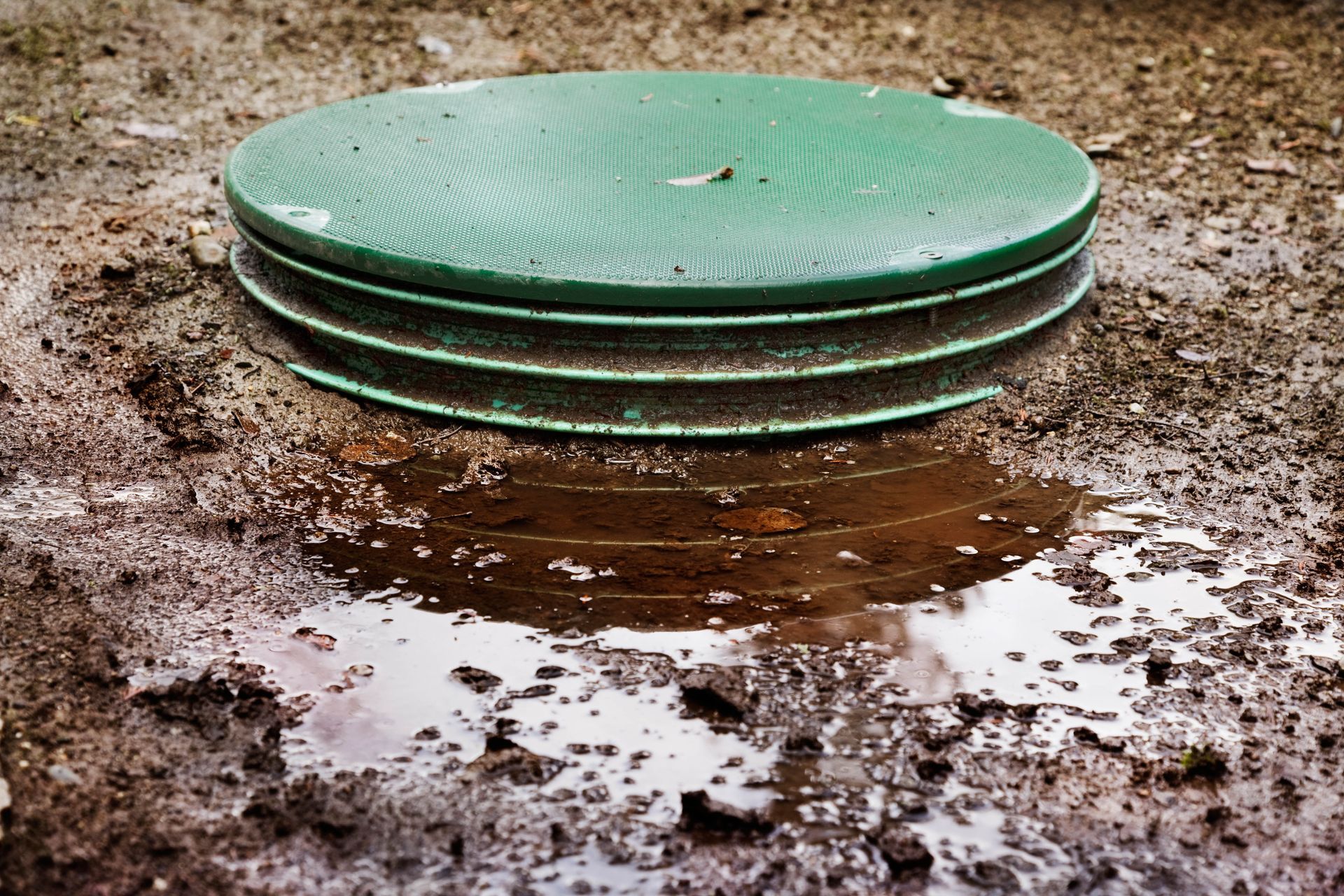
Puddles or soggy patches of ground near your septic tank or drain field—especially when it hasn't rained recently—are one of the most visible signs of trouble. This standing water often means that the drain field is oversaturated and can no longer properly absorb and filter wastewater, or that the tank itself is leaking. In some cases, it may indicate that the system has reached the end of its usable capacity and needs a more significant overhaul.
Standing water isn't just an eyesore; it can carry bacteria and contaminants that pose a risk to children, pets, and anyone who spends time in the yard. It can also seep into nearby water sources, creating environmental concerns beyond your own property line. If you notice unexplained wet spots, it's worth having a professional assess whether the fix is as simple as clearing a blockage or whether more extensive septic repairs are required to restore proper drainage.
4. Sewage Backups Confirm Septic Repairs Are Needed
Few septic problems are as alarming—or as urgent—as a sewage backup inside your home. When wastewater starts coming back up through drains, toilets, or basement fixtures, it's a sign that the system has reached a critical failure point. Backups can result from a full tank, a blocked pipe, a collapsed line, or a drain field that can no longer handle the volume of wastewater being sent its way.
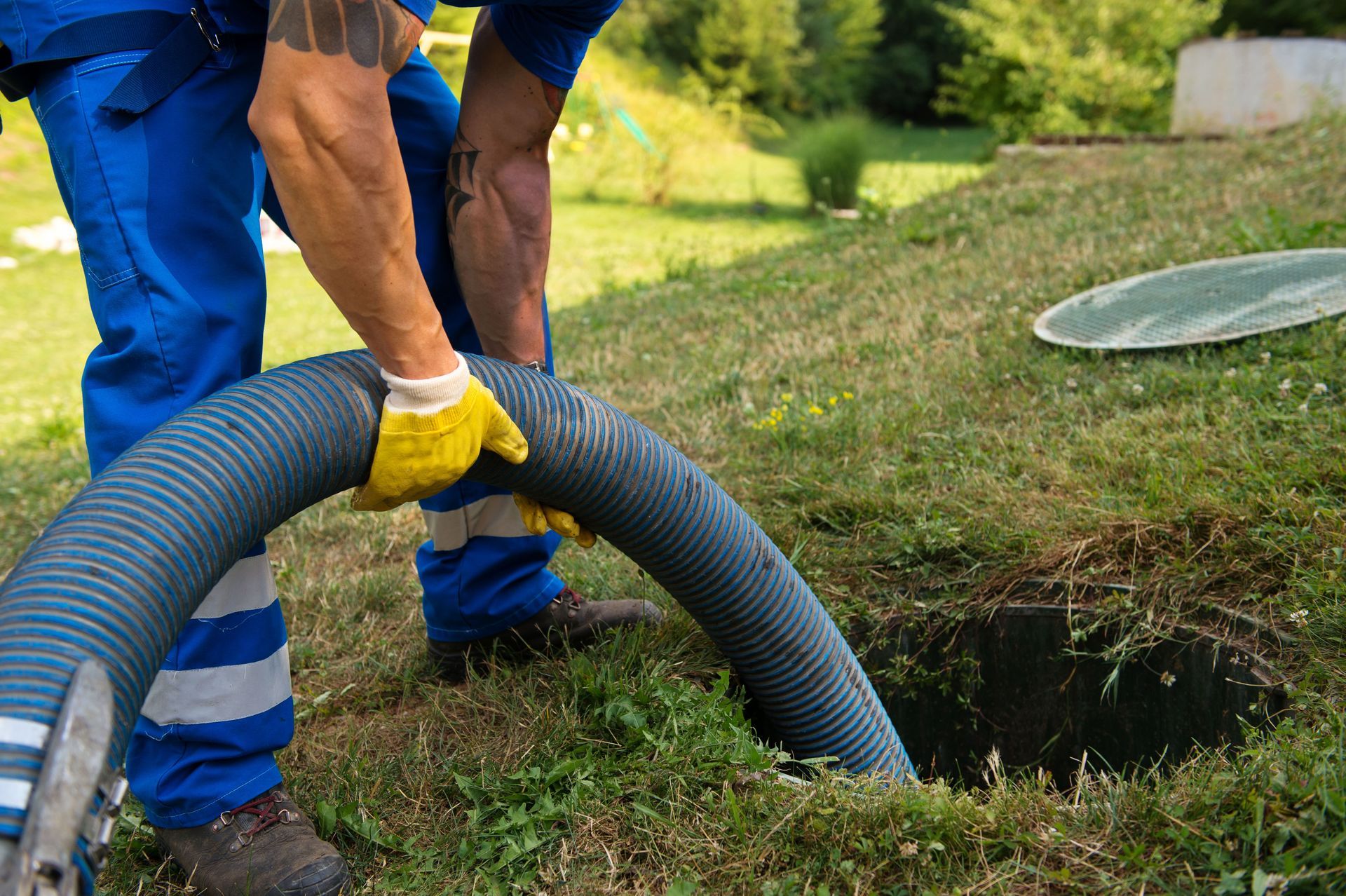
This is not a situation to wait out. Sewage backups pose immediate health hazards, can cause extensive property damage, and tend to get worse the longer they're left untreated. A professional team can pump the tank, clear blockages, and inspect the entire system to determine the root cause. Because backups often signal that multiple parts of the system are under strain, prompt septic repairs are essential to prevent the issue from recurring or escalating into a more expensive replacement project.
5. Lush Lawn Patches Reveal Septic Repairs Are Needed
It might seem harmless—or even nice—to see an unusually green, lush patch of grass over your drain field, but this is often a red flag rather than a good sign. Bright, fast-growing grass in this specific area typically means that wastewater is surfacing or leaking closer to ground level than it should, effectively fertilizing the lawn above the problem. While it may look better than the rest of your yard, it's usually evidence that your drain field isn't filtering wastewater properly.
This sign is easy to miss because it doesn't look like a problem at first glance, which is exactly why regular inspections matter. A trained technician can determine whether the lush growth is related to a failing drain field, a leaking tank, or a line that needs to be repaired or replaced. Addressing this early, before the area turns into standing water or starts producing odors, keeps smaller septic repairs from turning into a larger, costlier project.
6. Tank Age Indicates Septic Repairs Are Needed
Sometimes the clearest sign that repairs are needed isn't a symptom at all—it's simply the age of your system. According to This Old House, factors like maintenance history, tank material, and surrounding soil conditions all play a role in determining a septic tank's life span, which can range anywhere from 15 to 40 years. If your system is approaching or has passed the higher end of that range, it's worth having it evaluated even if you haven't noticed obvious warning signs yet.
Older tanks are more prone to cracks, corrosion, and structural weakening, which can lead to leaks or sudden failures without much warning. Materials matter too, as steel tanks tend to have shorter life spans than concrete or plastic alternatives, and poor soil drainage can accelerate wear on the entire system. Scheduling a professional inspection based on your system's age—rather than waiting for a problem to appear—is one of the most effective ways to stay ahead of costly, unexpected septic repairs.
Protect Your Property With Professional Help
Septic systems are built to last for decades, but only when they're properly maintained and repaired at the first sign of trouble. Slow drains, foul odors, standing water, sewage backups, unusually lush grass, gurgling pipes, and an aging tank are all signals worth taking seriously. Because septic systems involve a network of underground components working together, diagnosing the true source of a problem isn't something most homeowners can safely do on their own. Working with trained, licensed professionals ensures that the right repair is made the first time, rather than a temporary fix that leaves the underlying issue in place.
If you've noticed any of these signs at your property, don't wait for the problem to get worse. We at Same Day Septic offer fast, reliable inspections and repairs for homes and businesses throughout Chattanooga, TN, and North Georgia, with 24/7 emergency response when you need it most. Give us a call today or request a free quote, and let our experienced, licensed team get your septic system back to working the way it should.
Share On: